Cyber Liability Insurance: Is Your Small Business Safe from Data Breaches?
Think hackers only go after big brands? Small businesses are in the blast zone too. Recent reporting shows 46% of data breaches hit companies with fewer than 1,000 employees, and 61% of small businesses faced a breach or cyberattack in the last year.
That matters because a breach can drain cash fast. It can also stall operations, shake customer trust, and pull owners away from the work that keeps the business alive. Cyber liability insurance can help with those costs. Still, it does not make your business fully safe. It helps you recover after damage, not dodge every punch.

What cyber liability insurance does, and what it usually does not cover
In plain English, cyber liability insurance helps pay for the mess that follows a cyber incident. If criminals steal customer data, lock up files, or trick staff through email, the policy may cover part of the financial hit.
Common coverage often includes breach response, legal fees, customer notification, credit monitoring, ransomware response, business interruption, and some regulatory costs. In other words, it steps in after something goes wrong.
However, a policy has limits. Many plans won't cover prior known incidents, weak security that breaks policy rules, or losses above your coverage cap. Some claims also depend on how the attack happened. That's why the fine print matters.
Insurance helps pay the bill after a breach. It doesn't stop the break-in.
The main costs a policy may help pay after a breach
The first bill usually arrives before the panic fades. You may need a forensic team to find the entry point, restore systems, and confirm what data was touched. Then come legal advice, customer notices, credit monitoring, and sometimes public relations help.
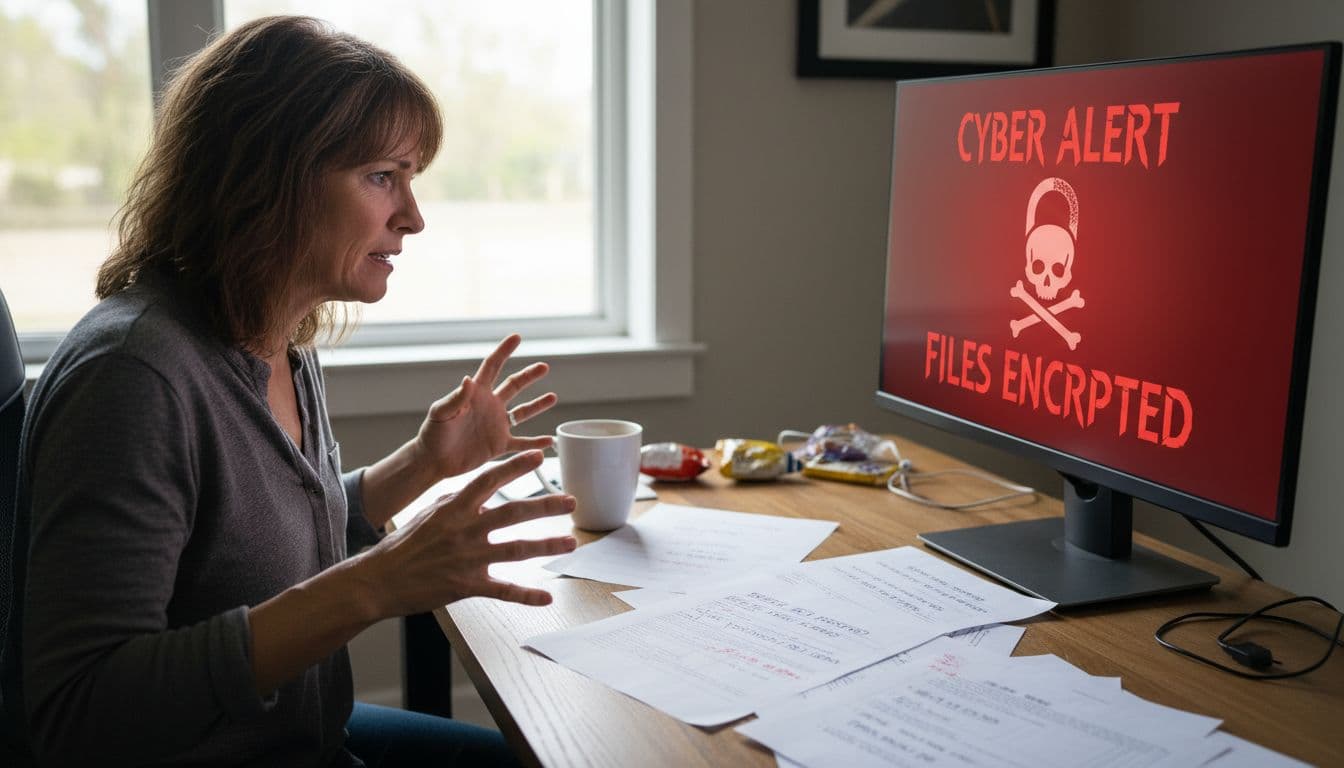
Downtime can be just as painful. If your booking system, payroll tool, or online checkout goes dark, revenue stops while expenses keep moving. For many small firms, the full cost quickly reaches six figures. Even a $100,000 hit can be hard to absorb, especially if cash flow is tight.
That's where cyber liability insurance earns its place. It can help pay for experts, customer support, lost income, and recovery work that would otherwise land on your balance sheet.
Why insurance is helpful, but not a substitute for cybersecurity
Insurance is a backstop, not a shield. It matters because recovery is expensive. Still, it works best when basic security is already in place.
Start with the simple stuff. Use secure backups, staff training, MFA, software patching, and endpoint protection. Those steps lower the odds of a claim and can also reduce the damage if something slips through.
They may also affect coverage. Some insurers expect minimum controls before they'll pay. If a company ignores obvious risks, the claim process can get rough.
How to tell if your small business is at real risk of a data breach
If you store customer records, take card payments, hold health information, manage logins, or depend on email and cloud apps, your risk is real. That doesn't mean a breach is certain. It means your business likely has something attackers want.
Current threat patterns make this clear. Phishing still works because people are busy. Ransomware remains a major threat to small firms. Stolen passwords and social engineering also keep causing damage, especially when one reused login opens several systems at once.
A quick gut check helps. If losing access to email, files, or customer data for two days would hurt badly, cyber risk already affects your business.
Red flags that make a small business a bigger target
Some warning signs stand out right away:
- No MFA on email, banking, or admin accounts
- Weak or reused passwords across tools
- No staff training on phishing and fake invoices
- Outdated software and slow patching
- Shared logins with no clear user trail
- No regular backups or no backup testing
- No incident response plan for a bad day

Attackers often prefer easy entry. That's one reason ransomware and phishing hit small companies so often. If your defenses look light, your business may seem like an unlocked side door.
The warning signs hidden in your daily operations
Some risks hide in routine habits. A team member clicks a link from an unknown sender because the message looks urgent. Someone stores old customer records "just in case." A manager gives broad admin access to save time. Personal laptops get used for work without updates or security checks.
None of those choices looks dramatic. Yet together, they raise your exposure every day.
The fix is usually boring, and that's good. Trim old data. Limit admin rights. Separate work from personal devices. Slow down when emails push urgency. Small changes close real gaps.
How to choose the right cyber liability insurance without overpaying
The right policy depends on what your business holds and what it can't live without. A medical office, online shop, marketing agency, and local contractor don't face the same risk.
Start with your data. Look at payment details, customer files, employee records, vendor access, and cloud tools. Then think about downtime. How long could you operate if email, scheduling, or invoicing went offline?
Compare policies on a few points that matter most: coverage triggers, limits, deductibles, breach response services, and insurer support during a live incident. Fast access to legal, forensic, and crisis teams can matter as much as the dollar amount.
Questions to ask before you buy a policy
Use these questions when comparing options:
- Does it cover ransomware, phishing, and social engineering losses?
- Are vendor-related incidents covered if a third party gets breached?
- Does business interruption coverage start quickly enough to help?
- What help do you get after a breach, legal, forensic, PR, or customer notice support?
- What security controls must stay in place for coverage to remain valid?
- Are there sub-limits that shrink payment for key events?
A cheap policy that ducks common claims can cost more in the end.
How much coverage might be enough for a small business
There's no magic number. A useful limit should reflect your likely downtime, legal costs, customer notice needs, and recovery expense. If you depend on online sales or stored client data, the number usually needs to be higher than you think.

Many owners know one truth already: a six-figure loss could seriously damage the business, or end it. So, buy enough coverage to survive a real incident, not just to check a box.
Cyber liability insurance can soften the financial blow of a data breach, but it does not make a small business fully safe. Real protection comes from pairing coverage with basic security habits, tested backups, and a simple response plan. Review your weak spots, then read your current policy with fresh eyes. If you wouldn't trust luck to run payroll, don't trust it to handle your next breach.


