Landlord Insurance vs. Homeowners Insurance: What’s the Difference?
Picture this: a homeowner moves out, finds a tenant, and starts collecting rent. The house is still insured, so everything should be fine, right? Not always. That simple switch, from living in the home to renting it out, can create a major coverage gap.
Homeowners insurance is built for a home you live in. Landlord insurance is built for a home your tenant lives in. They may sound similar, but they protect different risks. If you use the wrong policy, a claim could be denied when you need help most. Here's how to tell which one fits your situation, what each policy covers, and where expensive surprises can show up.
The biggest difference comes down to who lives in the home
At the core, this choice is simple. If you live in the home, homeowners insurance usually fits. If a tenant lives there full-time, landlord insurance usually fits.
That matters because insurers price and write policies based on how a property is used. An owner-occupied home and a rental home do not carry the same risks. Tenants may not care for the property the same way an owner would. In addition, landlords face different liability issues and may need protection for lost rent after a covered claim.
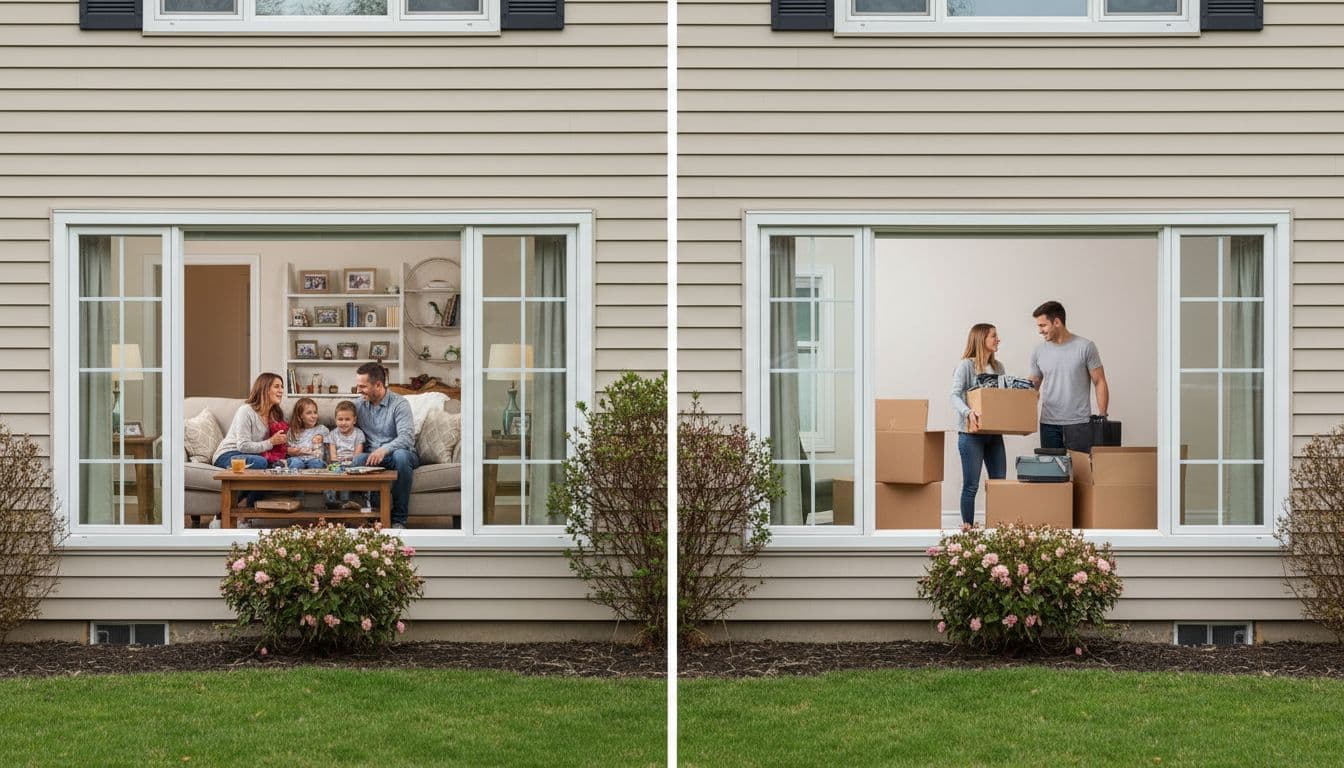
Once a home becomes a full-time rental, your insurance needs usually change too. If you keep a standard homeowners policy on a long-term rental, the insurer might limit coverage, deny a claim, or even cancel the policy after learning how the home is used.
A house can stay the same, but its insurance needs can change the moment the living situation changes.
When homeowners insurance still works, and when it usually does not
There are a few gray areas. Some insurers may allow limited rental use, like renting out one room or renting the home for a short period. However, those exceptions vary by company and policy.
That's why it's risky to guess. Occasional rental use is not automatically covered. Before listing a room or handing over keys, tell your insurer exactly what you plan to do. A five-minute phone call can prevent a very costly mistake.
What homeowners insurance covers, and what landlord insurance adds
The easiest way to compare these policies is side by side.

| Coverage area | Homeowners insurance | Landlord insurance |
|---|---|---|
| Dwelling | Covers the home structure | Covers the rental structure |
| Personal property | Covers the owner's belongings | Covers only limited landlord-owned items |
| Liability | Covers injuries and property damage tied to the home and personal life | Covers liability tied to the rental property |
| Extra living costs | Pays your temporary living costs after a covered loss | Usually replaced by loss of rent coverage |
| Lost rental income | Usually not included | Often included after a covered claim |
| Tenant belongings | Not covered | Not covered |
The big takeaway is simple: these policies are not interchangeable.
What homeowners insurance is designed to protect
Homeowners insurance protects the house itself, plus the things you keep inside it. If a fire damages your kitchen, a windstorm tears off shingles, or a pipe bursts, your policy may help pay for repairs, subject to your limits and deductible.
It also covers your personal belongings. That can include furniture, clothing, electronics, and other items you own. If someone slips on your walkway and you're legally responsible, personal liability coverage may help with medical bills or legal costs.
Another useful feature is loss of use. If a covered claim makes your home unlivable, the policy may help pay for hotel bills, rent, or other temporary living costs while repairs are made. That benefit makes sense for owner-occupied homes because you are the one who needs somewhere else to stay.
What landlord insurance is designed to protect
Landlord insurance focuses on the property as a rental business asset. It usually covers the structure, detached buildings if listed, and limited items the landlord keeps on-site, such as a lawn mower, washer, dryer, or kitchen appliances included with the unit.
It also includes liability protection tied to the rental. For example, if a tenant or visitor gets hurt because of a loose stair rail or unsafe walkway, the policy may help cover the claim if you're found responsible.
Then there's the feature many new landlords overlook: loss of rent. If a covered event, like a fire or major storm, makes the unit unlivable, landlord insurance may replace some lost rental income while repairs happen. Homeowners insurance usually helps the owner live somewhere else. Landlord insurance helps the owner recover missed rent instead.
Just as important, landlord insurance does not cover the tenant's furniture, clothes, or electronics. That's why renters insurance matters. Without it, tenants could face a loss with no help at all.
The gaps, costs, and smart next steps landlords should know
Even the right policy has limits. Insurance is more like a safety net than a magic shield. It catches certain losses, but not every problem that comes with owning property.

What both policies usually do not cover
Both homeowners and landlord insurance often exclude floods, earthquakes, wear and tear, pests, and intentional damage. Sewer backup may also require an add-on. So might flood insurance, depending on where the property sits.
Normal tenant wear is another point of confusion. Scuffed paint, worn carpet, and aging appliances are not the same as sudden accidental damage. Insurance generally covers sudden covered events, not slow decline over time.
If the damage happened little by little, insurance usually won't treat it like a covered surprise.
Why landlord insurance usually costs more, and how to choose the right policy
Landlord insurance often costs about 15 to 25 percent more than homeowners insurance for a similar property. That higher price reflects higher risk. Rentals often face more claims tied to liability, tenant-caused damage, theft, or longer periods before problems are spotted.
Your rate will still depend on the home's location, value, age, condition, claims history, deductible, liability limits, and any extra coverage you add. A lower premium can look good at first, but thin coverage may cost far more after a loss.
Before you buy or switch a policy, keep this short checklist in mind:
- Tell the insurer how the property is used: Full-time rental, part-time rental, or owner-occupied with one rented room.
- Ask about loss of rent: This can matter more than many new landlords expect.
- Review liability limits: Rental risk may call for stronger protection.
- Consider requiring renters insurance: It helps protect the tenant's belongings and may reduce disputes after a claim.
Conclusion
The rule is simple: homeowners insurance is for homes you live in, while landlord insurance is for homes your tenants live in. Mix them up, and you could face serious gaps when a claim hits. If you're planning to rent out all or part of a property, review your current coverage first, then talk to your insurer about the right policy before the tenant moves in.


