Does Rideshare Driving (Uber/Lyft) Void Your Personal Auto Insurance?
Imagine you're cruising down the street, app open, waiting for your next ride request. Suddenly, a car pulls out in front of you. You brake hard, but it's too late—bumps happen. Now picture this: your personal auto insurance denies the claim because you were driving for Uber or Lyft. That nightmare is real for many drivers. Ridesharing counts as commercial work under most standard policies, and they often exclude that kind of use. This leaves a big coverage hole that can cost you thousands.
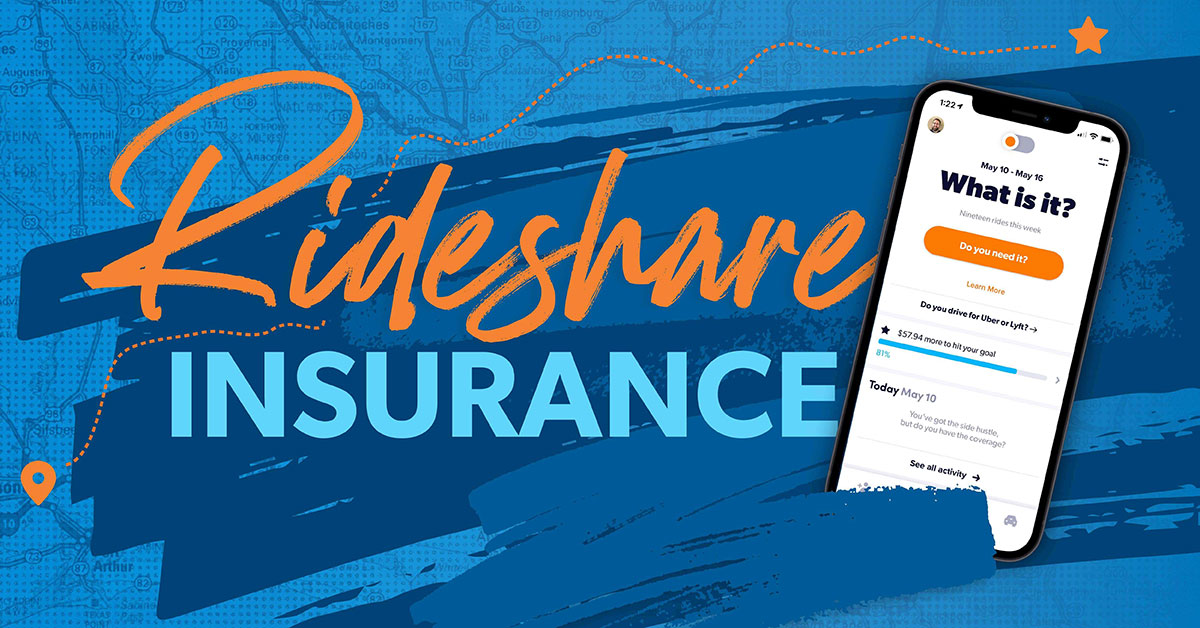
To grasp the risk, think of your insurance like layers of protection. Personal policies cover everyday trips to the store or work. But when you transport passengers for pay, it shifts to business territory. Uber and Lyft provide some coverage, yet gaps exist. We'll break it down by the three key phases of a rideshare trip: when the app is on and you're waiting, heading to pick up a rider, and during the actual ride until drop-off. Knowing these shifts helps you avoid surprises.
Understanding Personal Auto Insurance Exclusions and the "Gap"
Standard Personal Policy Language and Commercial Use
Most personal auto policies have clear rules against business use. Look for terms like "livery" or "for-hire" in the fine print—these bar coverage when you carry paying passengers. Your policy's declaration page spells out what's covered, so pull it out and read it now. Drivers often think their policy works all the time, but that's a mistake. One study from the Insurance Information Institute shows over 40% of rideshare drivers face claim denials due to these exclusions.
This gap pops up because insurers see ridesharing as a job, not personal driving. If you cause an accident while logged in, your carrier might say no to the payout. That leaves you on the hook for repairs, medical bills, and more.
The Three Phases of Rideshare Coverage Explained
Rideshare trips divide into phases where coverage changes fast. In Phase 1, the app is on but no ride accepted—you're just waiting. Here, your personal insurance usually steps in first, but with limits if they even cover it.
Phase 2 starts when you accept a request and head to the pickup, or once the passenger is inside. Uber and Lyft's commercial policies take over with full liability protection, often up to $1 million per accident. This phase shields you from big lawsuits if something goes wrong on the road.
Phase 3 covers the drop-off moment and right after, until you log off. The company's policy stays active briefly to wrap up the trip. Log off quick to switch back to personal coverage for any non-work driving.
The Low-Limit Gap: What Happens Before Full Commercial Coverage Kicks In?
The real worry hits in that waiting period between logging in and grabbing a ride. Uber offers $50,000 in liability per person during this time, but it's contingent—meaning it only pays after your personal policy does. Lyft does something similar with $50,000 per incident. These limits feel low compared to the $1 million in active phases.
What if your personal insurer voids the claim? You're stuck with just the company's low cap, which might not cover a serious crash. For example, average U.S. accident costs hit $15,000 for property damage alone, per AAA data. That gap can drain your savings fast.
Drive in busy cities like New York or Los Angeles, and risks climb higher. Always check your state's minimums—some require more than the basics.
The Necessity of Rideshare Endorsements and Hybrid Policies
What is Rideshare Insurance (Contingent Coverage)?
Rideshare insurance fills the hole left by standard policies. It's an add-on that kicks in when you're waiting for requests but before the company's full coverage starts. Think of it as a safety net for those quiet moments on the app.
This hybrid setup blends personal and commercial protection without buying a whole new policy. Providers like Allstate and USAA now sell these endorsements starting at $10-20 a month. They cover liability and sometimes collision during Phase 1.
Without it, you're betting on luck. One denied claim could wipe out a year's earnings.
Actionable Tip: Reviewing Your Current Policy for Endorsements
Call your agent today and ask about a rideshare endorsement. Say, "Does my policy exclude Uber or Lyft driving, and can I add coverage for that?" They'll check your current setup and quote options.
If you drive part-time, this beats switching to full commercial insurance, which costs more. Get it in writing—email confirmation of what it covers. Many states let you add this without raising your base rates much.
When a Full Commercial Policy Might Be Required
Not every endorsement works for everyone. If you lease your car, insurers might demand a business policy to match the lease terms. High-mileage drivers—say, over 30,000 miles a year for rides—often need the upgrade too.
State rules vary. California mandates TNC drivers carry at least $1 million in coverage during rides. In Texas, leased vehicles trigger full commercial needs. Check your DMV site for local laws before you start.
Consequences of Driving Without Proper Coverage
Claim Denial Scenarios
Picture this: You're logged into the Lyft app, idling at a light in Phase 1. A distracted driver rear-ends you, totaling your car. You file with your personal insurer—they spot the app activity and deny it, citing commercial use.
Now Uber's contingent coverage pays $50,000, but repairs cost $35,000, and medical bills add $20,000. You pay the rest out of pocket. Real cases like this have left drivers bankrupt, according to reports from the Consumer Federation of America.
The stress doesn't end there. Lawsuits from injured parties could follow, eating into your future paychecks.
State-Level Penalties and Regulatory Compliance
Many states treat rideshare drivers like pros. In Illinois, TNCs must prove coverage, or you face fines up to $1,000 per violation. New York's DMV requires specific endorsements for Uber drivers.
Break these rules, and your license gets suspended. Fines stack up quick in places like Florida, where uncovered accidents lead to misdemeanor charges. Always verify with your local motor vehicle office.
Impact on Future Insurance Rates
An uncovered wreck haunts you long-term. Even if Uber pays, your personal rates could jump 30-50% next renewal. Insurers see you as high-risk and might drop you altogether.
One accident without the right policy flags your record forever. Shop around after—companies like Geico offer rideshare-friendly plans to rebuild coverage.
Ensuring Comprehensive Protection: A Driver Checklist
Checklist Item 1: Confirming Personal Policy Limits and Deductibles
Know your liability limits—aim for at least $100,000 per person. Check deductibles too; they apply if your policy pays anything under contingent rules.
- Review your declaration page for business exclusions.
- Ask your agent about collision coverage during app use.
- Update limits if you added rideshare work recently.
This step saves headaches during claims.
Checklist Item 2: Verifying Rideshare Company Coverage Limits
Head to Uber's or Lyft's safety pages for the latest details. Uber lists $1 million liability when a rider's aboard, dropping to $50,000 when waiting.
- Download their insurance summaries as PDFs.
- Note uninsured motorist protection—it's often $1 million too.
- Compare to your state's minimums, like $30,000 in most places.
Stay current; policies update yearly.
Checklist Item 3: Maintaining Clear Records
Log off right after drop-off to end the trip phase. Keep ride logs, app screenshots, and mileage trackers handy.
- Use apps like Stride for automatic records.
- Save emails from passengers or companies post-incident.
- Report any fender-benders to both your insurer and the TNC within 24 hours.
Good records prove your coverage layer and speed up payouts.
Conclusion: Secure Your Income and Assets
Rideshare driving voids your personal auto insurance in key moments, especially when waiting for requests. That gap between personal exclusions and company coverage puts your wallet at risk. Don't let one accident derail your side hustle.
The fix is simple: grab a rideshare endorsement or hybrid policy now. Contact your agent, review phases, and follow the checklist. This way, you protect your car, your earnings, and your peace of mind. Start driving smarter today—your future self will thank you.


