Classic Car Insurance: How to Insure Vintage and Collector Vehicles
Imagine cruising in your 1965 Mustang, the wind whipping through the open top, only to face a total loss from a freak storm. Without the right protection, you'd get a payout based on a depreciated market value, leaving you short thousands. Classic car values have jumped 15% on average since 2020, making specialized insurance a must for owners who pour heart and cash into these treasures.
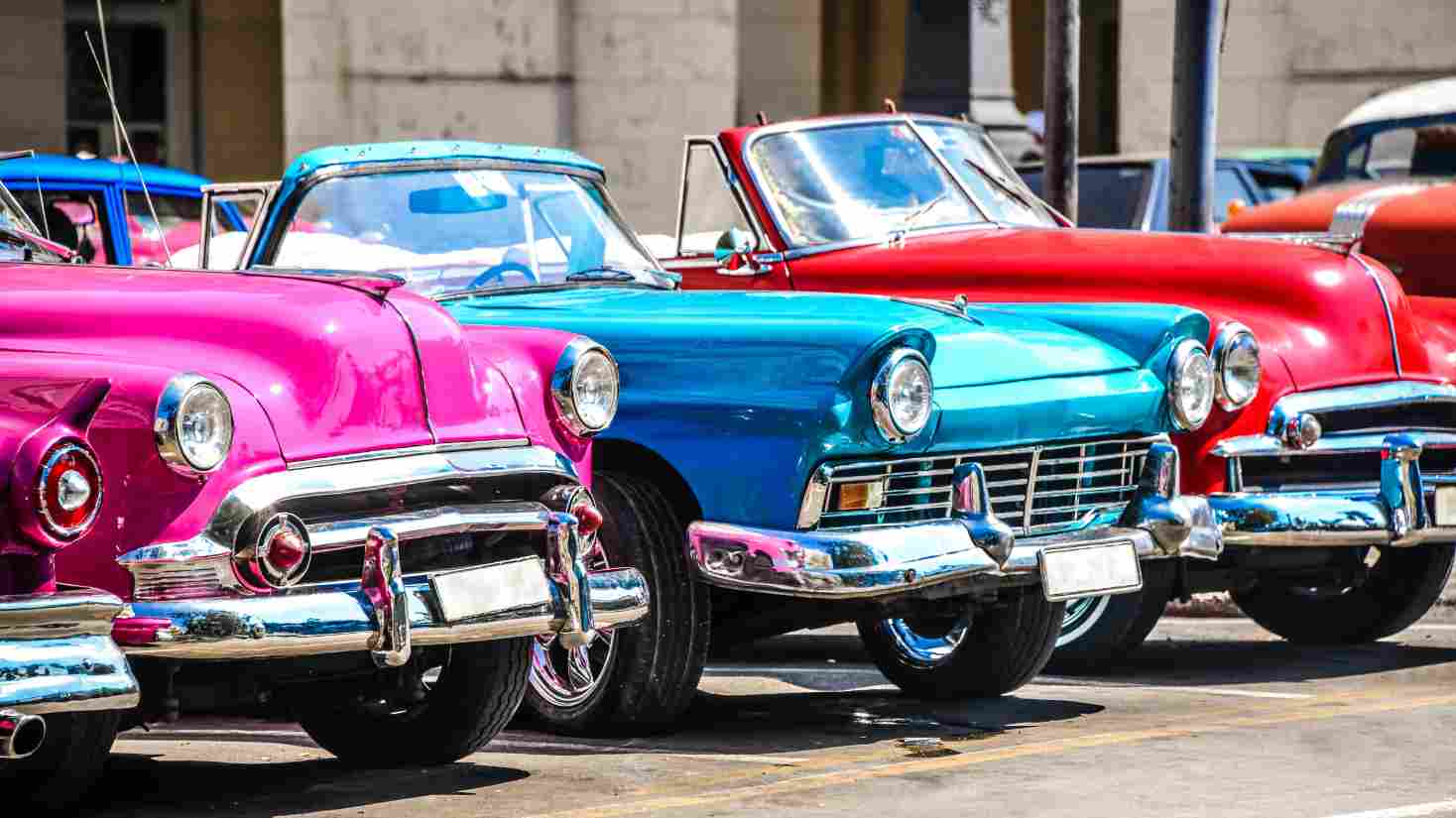
Standard auto policies fall short for vintage rides. They use actual cash value, which drops over time and ignores your emotional tie to the car. You need classic car insurance that matches the rising worth of collector vehicles and covers rare parts or show trips.
This guide breaks down how to insure vintage cars right. We'll cover policy types, premium factors, key coverages, and steps to apply. By the end, you'll know how to shield your automotive gem.
Understanding Specialized Classic Car Insurance Policies
Classic car insurance differs from everyday auto coverage in big ways. It focuses on the unique needs of vehicles over 25 years old, like limited driving and high restoration costs. These policies protect against the special risks that come with owning a piece of history.
Standard plans treat your collector vehicle like a daily driver. That can lead to denied claims if you use it for shows or store it in a garage. Specialized options from companies like Hagerty or Grundy offer peace of mind tailored to enthusiasts.
Agreed Value vs. Stated Value vs. Actual Cash Value (ACV)
Valuation sets the tone for your payout in a loss. Actual cash value bases it on current market price minus wear and tear. This hurts for vintage cars that gain value over time, often leaving owners underinsured.
Stated value lets you pick a number, but insurers may argue it down during a claim. It's better than ACV, yet still risky if your ride appreciates faster than expected. Agreed value stands out as the best choice for classic car insurance.
With agreed value, you and the insurer settle on a fair amount upfront. This locks in your payout, no haggling needed. For example, if your 1957 Chevy is worth $80,000 today, you get that full sum in a total loss. Experts call it the gold standard because it honors the true cost of restoration and rarity.
Usage Restrictions: Limitation and Flexibility
Most classic policies cap annual mileage at 5,000 to 10,000 miles. This keeps rates low by assuming occasional use, like club meets or parades. Exceed it, and your coverage could lapse.
You can often add riders for more miles if you drive to events. Standard auto insurance has no such limits, but it charges more for high-mileage use. Think of classic restrictions as a trade-off: lower premiums for treating your car like the jewel it is.
Flexibility varies by provider. Some allow daily drives with extra fees, while others stick to "garage queen" rules. Always check how this fits your habits to avoid surprises.
Comprehensive Coverage for Collector Vehicles
This coverage handles non-collision damage like theft or hail. For vintage vehicles, it often includes better rates for secure storage. Policies require you to park in a locked garage, not on the street.
Vandalism and fire get full attention, with payouts based on agreed value. Natural disasters, such as floods common in spring, demand add-ons for transport out of harm's way. Many plans cover antique parts shortages, a big win over basic policies.
Security endorsements cut costs if you install alarms or cameras. This setup protects against the high theft risk for eye-catching classics. In short, comprehensive coverage wraps your investment in layers of defense.
Key Factors Determining Your Classic Car Insurance Premiums
Insurers look at several things to set your rate for vintage car insurance. Age plays a role, but so does how you handle the vehicle. Rates can range from $200 to $1,000 yearly, depending on details.
Expect questions about your car's history and your driving habits. Honest answers lead to fair quotes. Let's dive into what tips the scales.
Vehicle Age, Rarity, and Condition (The Three Cs)
Older cars, say pre-1940 models, face stricter checks due to scarce parts. Rarity boosts premiums; a one-of-100 Ferrari demands more than a common Ford. Condition matters most—pristine examples get lower rates.
Documented restorations lower costs by proving care. A 1970s Porsche in mint shape might cost less to insure than a rusty one. Modern classics from the '80s and '90s often qualify with fewer hurdles.
Insurers use tools like the Hagerty Valuation Tool to gauge worth. This ensures premiums match the car's true market value. Focus on upkeep to keep costs down.
Driver Profile and Experience
Your record counts big. Clean driving history shaves dollars off the bill. Accidents or tickets raise flags for higher risk.
Taking a classic car course, like those from the Vintage Motor Car Club, shows skill and can earn discounts. Household drivers matter too—if teens share access, rates climb. Stick to experienced operators for the best deals.
Age and location factor in. Older drivers in quiet suburbs pay less than young ones in cities. Build a strong profile to control premiums.
Storage and Security Requirements
Safe storage slashes rates by 10-20%. A climate-controlled garage prevents rust from humidity swings. Basic locks help, but smart systems impress more.
Add GPS trackers for theft recovery, often qualifying for rebates. Fire suppression in the garage? That's another plus. These steps prove you treat your collector vehicle like family.
Insurers may inspect your setup before approving. Meet their standards to lock in savings. Simple upgrades pay off in lower classic car insurance costs.
Essential Coverage Components for Collector Vehicles
Beyond basics, you need extras for the quirks of vintage ownership. Liability covers others, but add-ons protect your gear and trips. These fill gaps in standard plans.
Think of your policy as a custom suit, fitted to your lifestyle. Skip them, and risks pile up. Here's what to include.
Spare Parts and Tools Coverage
Vintage cars rely on hard-to-find pieces, like a carburetor for a '60s Camaro. Standard policies ignore these if stored separately. Add a rider to cover tools and spares up to $5,000 or more.
This protects items in transit or at home. A fire could wipe out your collection otherwise. Keep an inventory list for quick claims.
Many owners overlook this, but it's vital for restorers. Insure those brass fittings and wrenches to stay ahead.
Trailer and Transportation Coverage
Towing to a car show? Basic insurance might not touch the trailer. Specialized plans cover it, plus the vehicle during hauls.
Look for latent defect options, which handle issues from the transport firm. This shields against breakdowns en route. Rates stay low if you use pros.
For cross-country moves, confirm full protection. Your classic deserves safe passage without worry.
Show Coverage and Event Liability
Displays at fairs or auctions extend risks beyond your driveway. Check if your policy follows the car to events. Some limit to 100 miles; others go nationwide.
Event liability covers if your ride damages another's during a meet. It's key for club gatherings. Ask about crowd interactions too.
Plan ahead—notify your insurer before big shows. This keeps coverage active and avoids claim denials.
The Application Process: Documentation and Valuation
Getting quotes starts with prep work. Gather papers early to speed things up. Skip this, and delays frustrate.
Insurers want proof of value and care. Provide it right, and you score better terms. Follow these steps for smooth sailing.
Obtaining a Professional Appraisal
Hire an expert from groups like the American Society of Appraisers. They inspect and value your car at $300-500. Aim for one within the last year for accuracy.
Update every two to three years, as markets shift. For a rising 2026 market, fresh appraisals capture gains. This sets your agreed value firm.
Banks often require them for loans too. Invest here for long-term wins in collector vehicle insurance.
Photo Documentation and Maintenance Records
Snap detailed shots: engine, interior, undercarriage. Use high-res for close-ups of flaws or upgrades. This proves condition fast.
Keep logs of oil changes, tune-ups, even paint jobs. Digital files work best for sharing. Strong records build trust and cut underwriting time.
Miss this, and quotes drag. Do it well, and rates reflect your diligence.
Finding the Right Insurer: Broker vs. Direct Writer
Direct writers like big names offer quick online quotes. But for niches, they lack depth. Brokers shop multiple specialists, finding hidden gems.
Seek ones focused on classics, with ties to Hagerty or similar. They know the ropes and negotiate better. Avoid general auto giants for your pride and joy.
Start with broker referrals from car clubs. This path leads to tailored vintage car insurance.
Conclusion: Securing Your Automotive Legacy
Classic car insurance safeguards more than metal—it's your legacy on wheels. We've covered why standard policies fail, key policy types like agreed value, premium drivers, essential add-ons, and application tips. Arm yourself with this knowledge to avoid pitfalls.
Key takeaways include choosing agreed value for full protection and sticking to mileage limits to keep coverage valid. Document everything for smooth claims. Add security for savings.
Your vintage ride deserves the best. Contact a specialist broker today and lock in peace of mind. Drive with confidence, knowing your collector vehicle stays safe.


