SR-22 Insurance: What It Is, Why You Need It, and How to Get It
Imagine getting a letter from the DMV that says you need an SR-22. It's not insurance itself, but a certificate proving you have the right coverage. This hits hard, especially after a tough driving mistake.
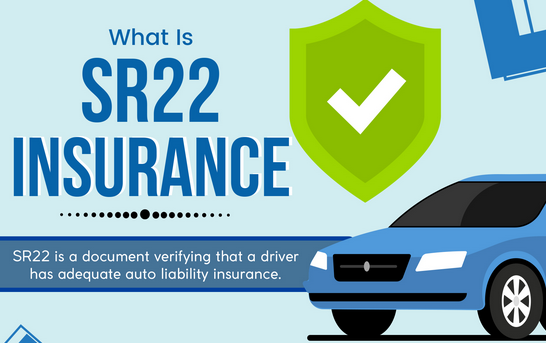
Many drivers face this after a big issue, like a DUI or letting insurance lapse. It shows the state you meet basic liability rules. This article breaks down what an SR-22 is, when you must get it, and how to handle the process. You'll learn the steps to stay on the road legally.
Understanding the SR-22 Certificate: More Than Just Insurance
What Exactly is an SR-22 Form?
The SR-22 is a simple form your insurance company sends to the DMV. It confirms you carry enough auto liability coverage. Think of it as official paperwork, not the policy paying your bills.
Most states use the SR-22, but Florida and Virginia call it an FR-44 for tougher cases. Your insurer files it online, often within days of you buying the policy. This keeps your driving record clean while proving responsibility.
Without this form, you can't drive legally in many places. It's a must for high-risk drivers. Always check your state's rules to avoid surprises.
Who Requires an SR-22 Filing?
Courts or the DMV demand an SR-22 for serious driving problems. You might need it after a DUI conviction or too many tickets. Even small slips, like no insurance for a bit, can trigger it.
Common reasons include drunk driving charges or causing a bad accident. If you drive without coverage and get caught, expect this requirement. States want to protect others on the road.
High-risk labels stick around. One mistake can lead to years of extra proof. Talk to your agent early if you sense trouble coming.
How Long Must an SR-22 Be Maintained?
The time frame depends on your state, usually three to five years from the offense date. Some places stretch it to seven years for major violations. You must keep active coverage the whole time.
If your policy ends early, the insurer tells the DMV right away. That means your license gets suspended fast. Plan ahead to avoid this headache.
Track your end date closely. Once it's over, ask your insurer to file a release form. Good driving helps lift the requirement sooner in some areas.
Circumstances Triggering the SR-22 Requirement
Serious Traffic Violations and Criminal Offenses
DUI or DWI tops the list for needing SR-22 insurance. These show you pose a risk, so states demand proof of coverage. One conviction often means three years or more with the form.
Multiple crashes where you're at fault also trigger it. If you hurt someone or damage property badly, expect the mandate. Even reckless driving charges can lead here.
Vehicular manslaughter is the worst. It brings long SR-22 terms plus other penalties. Stay safe to dodge these life-changing events.
- DUI conviction: Immediate filing required, with higher limits in some states.
- At-fault accidents: Two or more in a short time often call for SR-22.
- Reckless driving: Counts as a major offense in most places.
Build better habits after a slip. Safe driving classes might shorten your time.
Insurance Coverage Lapses and Non-Compliance
You don't need a ticket to face SR-22 needs. Just letting your policy drop counts as a lapse. States require constant coverage, so even a month without it triggers the form.
If you cancel mid-year or forget to renew, the DMV notices. They send a notice demanding SR-22 proof. Pay up quick to reinstate your license.
This happens more than you think. Busy lives lead to forgotten payments. Set reminders to keep coverage steady.
Reinstating a Suspended or Revoked License
Getting your license back starts with the SR-22. First, pay any fines or fees owed. Then, complete court orders like community service.
File the SR-22 through your new policy. Your insurer handles the DMV part. Once approved, you can drive again.
The process takes weeks sometimes. Gather docs early, like proof of insurance history. Call the DMV for exact steps in your area.
- Pay reinstatement fees, often $100 to $500.
- Get SR-22 from a high-risk insurer.
- Submit everything to the DMV and wait for approval.
Patience pays off here. Rush it, and you face more delays.
Securing an SR-22: Navigating the High-Risk Market
Finding Insurers Willing to File the Form
Big name insurers often say no to SR-22 drivers. They see you as high-risk after violations. Look to smaller companies or non-standard markets instead.
Shop online or call around for quotes. Sites compare rates from multiple providers. Expect costs 20% to 50% higher than before.
SR-22 insurance isn't rare, but choices vary by state. Pick one that files fast with your DMV. Read reviews to find reliable options.
The Role of the Insurance Agent or Broker
An agent helps you cut through the mess. Independent ones work with many carriers, so they find the best fit. They know state rules inside out.
Don't go solo with a big company. They might not handle high-risk well. A good agent saves time and money.
As John Doe, a 15-year auto agent, says, "I've seen clients overpay by hundreds because they skipped expert help. State laws change, and agents spot the best deals."
Lean on pros for peace of mind. They guide you from quote to filing.
Cost Implications of an SR-22 Filing
The form itself costs little, maybe $15 to $25 from your insurer. Real expense comes from higher premiums after your violation. A DUI can double rates for years.
In California, average post-DUI premiums hit $2,500 yearly, up from $1,200. Texas sees jumps to $3,000 or more. Shop smart to ease the hit.
Factors like your age and record play in. Clean up your driving to lower costs over time. Bundle with home insurance for discounts.
Maintaining SR-22 Compliance: Avoiding Further Penalties

The Critical Importance of Continuous Coverage
Never let your policy lapse while on SR-22. Insurers file an SR-26 notice if you do, alerting the DMV instantly. Your license goes on hold again.
Pay bills on time, every time. Auto-pay helps avoid forgets. Check your policy status monthly.
One gap can add months to your term. Stay vigilant to finish strong.
Reviewing and Updating Your Policy Annually
Meet with your agent once a year. States tweak liability minimums, like bumping from 25/50/25 to higher. Update to match.
Add riders if needed, like for rentals. This keeps you compliant without gaps. Ask about safe driver discounts too.
Changes in life, like a new car, mean policy tweaks. Stay ahead to avoid fines.
Understanding FR-44 Requirements (Applicable States)
In Florida and Virginia, FR-44 steps up for DUIs. It demands double the liability limits of SR-22. Premiums soar, often 100% higher.
Florida requires $100,000 per person coverage. Virginia matches with strict rules. If you live there, budget extra.
These states aim to cover big damages. Switch back to SR-22 after the term if possible.
Conclusion: Regaining Trust and Driving Privileges
SR-22 insurance proves you're responsible after a setback. Get a solid high-risk policy first. Have your insurer file the form correctly next.
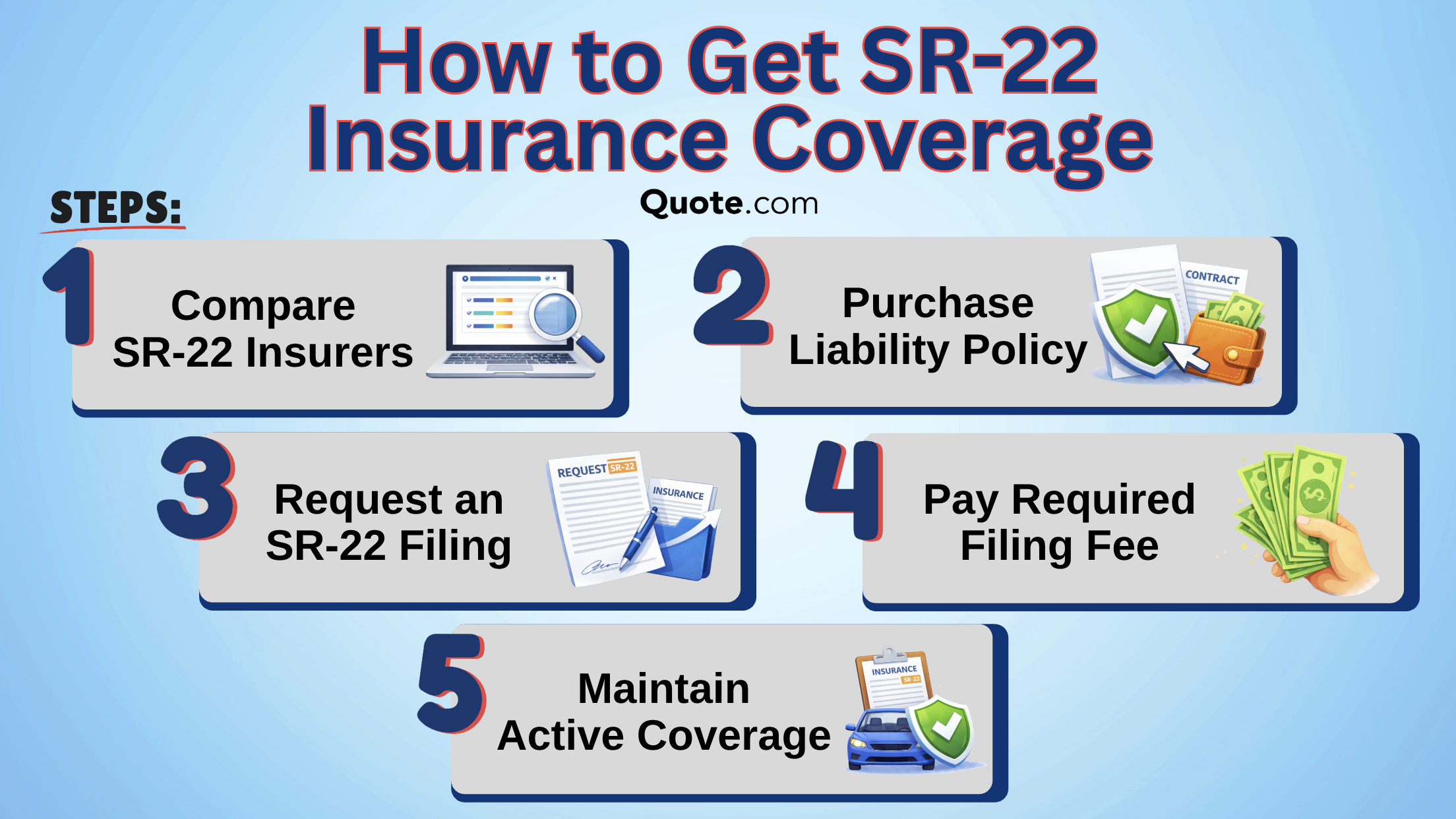
Maintain payments without breaks for the full period. That's the path to normal driving.
This phase passes with good choices. Safe habits cut future costs and lift the requirement. Start shopping today—your road to recovery begins now.


